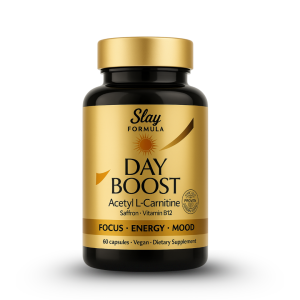
 Day Formula for Energy & Focus
 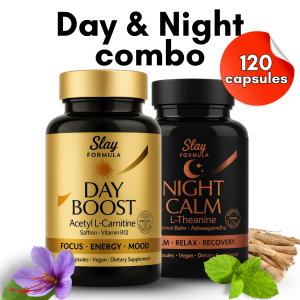 Slay Formula Day & Night System
 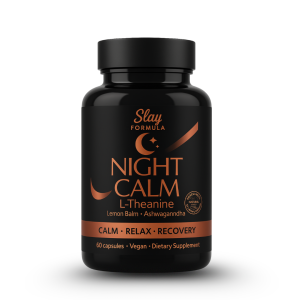 Night Formula for Calm Sleep
 What Is Vitamin C?
Vitamin C, also known as ascorbic acid, is a water-soluble vitamin essential for numerous biological processes in the human body.
Unlike many animals, humans cannot synthesize vitamin C internally, which means it must be obtained through diet or supplementation.
Vitamin C is involved in many important physiological functions, including:
- antioxidant protection
- collagen synthesis
- immune system function
- neurotransmitter production
- cellular repair
Because of these roles, vitamin C is considered one of the most important micronutrients for maintaining overall health and cellular resilience.
How Vitamin C Works in the Body
Antioxidant Protection
Vitamin C is one of the body’s most powerful dietary antioxidants.
Antioxidants help neutralize free radicals, unstable molecules that can damage cells and contribute to oxidative stress.
Oxidative stress has been associated with aging, inflammation, and various chronic health conditions.
Research has shown that vitamin C helps protect cells from oxidative damage by donating electrons to neutralize reactive oxygen species.
Role in Brain Function
Vitamin C is highly concentrated in certain areas of the brain, including regions involved in learning and memory.
It plays a role in the synthesis of important neurotransmitters such as dopamine and norepinephrine, which are involved in mood, attention, and cognitive performance.
Research suggests that adequate vitamin C levels may support normal cognitive function and neuronal protection.
Potential Benefits of Vitamin C
Because vitamin C participates in numerous biochemical pathways, it has been studied for many health benefits.
1. Immune System Support
Vitamin C is widely known for its role in supporting the immune system.
It contributes to immune defense by supporting the function of various immune cells and enhancing the body’s ability to respond to pathogens.
A review published in Nutrients found that vitamin C supports multiple aspects of immune function.
2. Protection Against Oxidative Stress
Vitamin C helps reduce oxidative stress, which can damage cellular structures including DNA, proteins, and lipids.
Because the brain consumes a large amount of oxygen and energy, it is particularly vulnerable to oxidative damage.
Adequate antioxidant intake may help support long-term neurological health.
3. Collagen Production and Tissue Health
Vitamin C is essential for the synthesis of collagen, the structural protein found in skin, blood vessels, cartilage, and connective tissue.
Collagen supports the structural integrity of tissues throughout the body.
Because of this role, vitamin C contributes to:
- skin health
- wound healing
- vascular function
Scientific Research on Vitamin C
Vitamin C has been extensively studied for its role in human health.
Researchers have explored its effects on:
- immune system regulation
- oxidative stress
- cardiovascular health
- brain function
- inflammation
One review highlighted vitamin C’s role as a critical antioxidant and cofactor in multiple metabolic pathways.
These findings have helped establish vitamin C as a foundational nutrient in both nutrition science and preventive health research.
Who May Benefit From Adequate Vitamin C Intake?
Vitamin C intake may be particularly important for individuals who want to support:
- immune resilience
- cellular protection
- skin and tissue health
- overall nutritional balance
Because modern lifestyles often involve high stress levels and environmental exposure, maintaining adequate antioxidant intake may support long-term health and vitality.
Frequently Asked Questions
Final Thoughts
Vitamin C is a fundamental nutrient involved in many biological processes that support overall health.
From antioxidant protection to immune system support and neurotransmitter synthesis, vitamin C plays a central role in maintaining cellular and neurological function.
Because of these properties, vitamin C remains one of the most widely studied and recognized nutrients in modern nutritional science.
References
- Anitra C Carr 1, Silvia Maggini 2 (2017).Vitamin C and Immune Function.
https://pmc.ncbi.nlm.nih.gov/articles/PMC5707683/ - S R Lynch, J D Cook (1980). Interaction of vitamin C and iron.
https://pubmed.ncbi.nlm.nih.gov/6940487/ - Eva S Wintergerst 1, Silvia Maggini, Dietrich H Hornig (2006). Immune-enhancing role of vitamin C and zinc and effect on clinical conditions.
https://pubmed.ncbi.nlm.nih.gov/16373990/