 Day Formula for Energy & Focus
  Slay Formula Day & Night System
 What Is Choline?
Choline is an essential nutrient that plays a critical role in brain health, nervous system function, and cellular metabolism.
Although the body can produce small amounts of choline in the liver, most people rely on dietary intake or supplementation to meet their daily needs.
Choline is particularly important because it serves as a precursor for several key biological molecules, including:
- Acetylcholine, a neurotransmitter involved in memory and learning
- Phosphatidylcholine, a major component of cell membranes
- Betaine, a compound involved in methylation and metabolic health
Because of its influence on brain chemistry and cognitive processes, choline has become a widely studied nutrient in neuroscience and nutrition research.
How Choline Works in the Body
Production of Acetylcholine
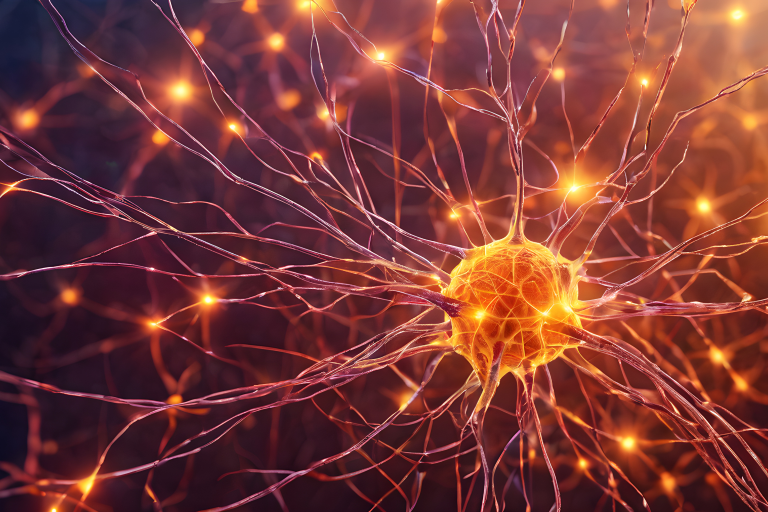
One of the most important functions of choline is its role in the production of acetylcholine, a neurotransmitter essential for communication between nerve cells.
Acetylcholine plays a key role in:
- memory formation
- attention and focus
- learning
- muscle activation
Because of this function, choline availability can influence how efficiently neurons communicate with one another.
Research has demonstrated that choline intake directly influences acetylcholine synthesis in the brain and nervous system.
Supporting Cell Membranes and Brain Structure
Choline is also a key component of phospholipids, which form the structural foundation of cell membranes.
One of the most important of these molecules is phosphatidylcholine, a major phospholipid found in the membranes of brain cells.
Healthy cell membranes are essential for:
- proper neuronal communication
- cellular integrity
- nutrient transport
Because the brain contains a high concentration of phospholipids, adequate choline intake is considered important for maintaining normal brain structure and function.
Role in Methylation and Metabolism
Choline also contributes to the body’s methylation pathways, which are essential biochemical reactions involved in many physiological processes.
Through its metabolite betaine, choline participates in reactions that influence:
- DNA regulation
- liver function
- metabolic balance
- detoxification pathways
Research has shown that choline deficiency can disrupt these metabolic pathways and affect liver and neurological health.
Potential Benefits of Choline
Because of its role in neurotransmitter production and cellular structure, choline has been investigated for several potential health benefits.
1. Memory and Cognitive Performance
Choline’s role in acetylcholine production makes it an important nutrient for memory formation and learning processes.
Acetylcholine is particularly active in brain regions responsible for cognitive function, including the hippocampus.
Studies suggest that adequate choline intake supports cognitive processes related to memory and attention.
2. Brain Development and Long-Term Cognitive Health
Choline is especially important during periods of brain development, but it also plays a role in maintaining neuronal health throughout adulthood.
Researchers have explored the relationship between choline intake and long-term cognitive function, including its potential role in supporting brain aging.
While cognitive health depends on many factors, maintaining adequate choline intake is considered an important nutritional strategy.
3. Metabolic and Liver Support
Choline is also involved in fat metabolism and liver health.
It helps transport fats out of the liver and plays a role in lipid metabolism. Without adequate choline intake, fat can accumulate in liver tissue.
Research has demonstrated that choline deficiency can lead to disruptions in liver metabolism and lipid processing.
Scientific Research on Choline
Choline has been studied extensively in nutrition science and neuroscience.
Major areas of research include:
- neurotransmitter production
- cognitive function and memory
- brain development
- liver and metabolic health
Studies have demonstrated that choline intake directly affects acetylcholine synthesis and neuronal signaling pathways.
Additional research has explored the consequences of choline deficiency and its impact on metabolic and neurological processes.
These findings highlight choline’s importance as a fundamental nutrient for brain and metabolic health.
Who May Benefit From Choline Support?
Maintaining adequate choline intake may be particularly relevant for individuals who want to support:
- memory and cognitive performance
- mental focus and attention
- metabolic health
- long-term brain function
Students, professionals, and individuals working in mentally demanding environments often seek nutritional strategies that support clarity, focus, and productivity.
Why We Included Choline in Slay Formula System
In Slay Formula System, choline is included to support the biological processes involved in memory, focus, and cognitive performance.
Because choline contributes to acetylcholine production, it works synergistically with other ingredients in the formula that support brain function.
For example, choline complements ingredients such as:
Together, these ingredients are selected to support both mental energy and balanced cognitive performance.
Frequently Asked Questions
Final Thoughts
Choline is a critical nutrient for brain function, neurotransmitter production, and metabolic health.
By supporting acetylcholine synthesis, cellular structure, and methylation processes, choline plays a foundational role in maintaining cognitive performance and neurological health.
For this reason, choline is included as one of the key ingredients in Slay Formula System, where it works alongside complementary nutrients designed to support focus, clarity, and long-term brain health.
References
- Jan Krzysztof Blusztajn , Barbara E Slack , Tiffany J Mellott (2017).Neuroprotective Actions of Dietary Choline.
https://pmc.ncbi.nlm.nih.gov/articles/PMC5579609/ - Steven H Zeisel , Kerry-Ann da Costa (2009). Choline: An Essential Nutrient for Public Health.
https://pmc.ncbi.nlm.nih.gov/articles/PMC2782876/ - Rola Aldana Bekdash 1 (2016). Choline and the Brain: An Epigenetic Perspective.
https://pubmed.ncbi.nlm.nih.gov/27651265/ - Emma Derbyshire , Rima Obeid (2020). Choline, Neurological Development and Brain Function: A Systematic Review Focusing on the First 1000 Days.
https://pmc.ncbi.nlm.nih.gov/articles/PMC7352907/ - Brianne C Burns 1, Jitendra D Belani 1, Hailey N Wittorf 1, Eugen Brailoiu 2,*,†, Gabriela C Brailoiu .Editor: Aneta Koronowicz (2025). Choline—An Essential Nutrient with Health Benefits and a Signaling Molecule.
https://pmc.ncbi.nlm.nih.gov/articles/PMC12346485/