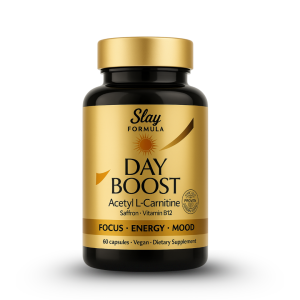
 Day Formula for Energy & Focus
  Slay Formula Day & Night System
 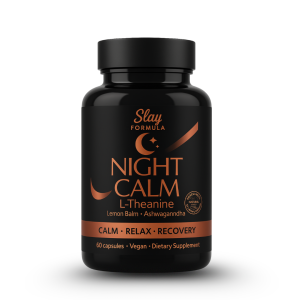 Night Formula for Calm Sleep
 What Is Zinc?
Zinc is an essential trace mineral involved in hundreds of enzymatic reactions throughout the body.
Although the body requires zinc in relatively small amounts, it plays a critical role in many physiological processes.
Zinc participates in:
- immune system function
- protein synthesis
- DNA synthesis
- wound healing
- cell signaling
- neurological activity
Because of these widespread functions, zinc is considered one of the most important micronutrients for maintaining metabolic and immune health.
How Zinc Works in the Body
Enzyme Activation
Zinc acts as a structural or catalytic component in more than 300 enzymes.
These enzymes regulate numerous biochemical reactions involved in metabolism, digestion, and cellular repair.
Without adequate zinc levels, many of these enzymatic processes may become less efficient.
Immune System Regulation
Zinc is widely recognized for its role in supporting the immune system.
It contributes to the development and function of immune cells, including:
- T lymphocytes
- neutrophils
- natural killer cells
Research has shown that zinc deficiency may impair immune function and increase susceptibility to infections.
Potential Benefits of Zinc
Zinc has been widely studied for its role in maintaining several aspects of human health.
1. Immune Defense
Zinc plays an essential role in supporting immune responses.
A review published in the journal Nutrients highlighted zinc’s importance in immune cell development and inflammatory regulation.
Adequate zinc intake helps support normal immune system activity and resistance to environmental stressors.
2. Cognitive Function
Zinc is also involved in brain signaling and neurotransmission.
It participates in synaptic communication between neurons and plays a role in brain plasticity — the ability of the brain to adapt and form new connections.
Research has explored zinc’s role in memory, learning, and neuronal signaling.
3. Cellular Repair and Wound Healing
Zinc supports protein synthesis and cell growth, making it important for tissue repair and wound healing.
It also plays a role in maintaining healthy skin and supporting collagen production.
Scientific Research on Zinc
Zinc has been the subject of extensive research in nutrition and medical science.
Studies have explored its role in:
- immune function
- neurological health
- metabolism
- skin health
- cellular repair
One review emphasized zinc’s fundamental role in immune regulation and inflammatory response.
Because of its involvement in numerous enzymatic processes, zinc remains a critical nutrient for maintaining systemic physiological balance.
Frequently Asked Questions
Final Thoughts
Zinc is an essential trace mineral that supports a wide range of physiological functions, from immune defense to cellular metabolism.
Through its role in enzymatic reactions, protein synthesis, and immune regulation, zinc contributes to maintaining the body’s natural balance and resilience.
Ensuring adequate zinc intake is therefore an important aspect of supporting overall health and metabolic function.
References
- A S Prasad 1(1998).Zinc and immunity.
https://pubmed.ncbi.nlm.nih.gov/9823012/ - Inga Wessels 1, Martina Maywald 2, Lothar Rink 3 (2017). Zinc as a Gatekeeper of Immune Function.
https://pubmed.ncbi.nlm.nih.gov/29186856/ - Harold H Sandstead 1 (2012). Subclinical zinc deficiency impairs human brain function.
https://pubmed.ncbi.nlm.nih.gov/22673824/ - Nazanin Roohani 1, Richard Hurrell, Roya Kelishadi, Rainer Schulin (2013). Zinc and its importance for human health: An integrative review.
https://pubmed.ncbi.nlm.nih.gov/23914218/